The cinema is where people go to view movies. The term "movie" is technically a "moving picture," but it wasn't until the 1900s that it was officially recognized as a movie, much like the terms "blog" and "vlog" are today used to refer to web logs and video logs, respectively.
"A film is made on two tables: one is the director and another is the editor," goes an old proverb. There are numerous of additional departments to look at as well. In a hierarchical order, every typical film would involve the following departments or crafts:
1. Director:
The duties of a Film Director include selecting actors, interpreting scripts, overseeing rehearsals, identifying set locations, adhering to budgets and schedules, and coordinating with the film crew to ensure a cohesive and visually appealing final production.
2. Production:
There are three types in production of a film, they are pre-production, production and post-production. Pre-production involves the rough estimation of making a film which includes crew salaries and locations also, coming to production it is the money which is actually spent during the film and finally the post production involves the planning of creating hype and business by releasing teasers, songs, etc.3. Cinematography:
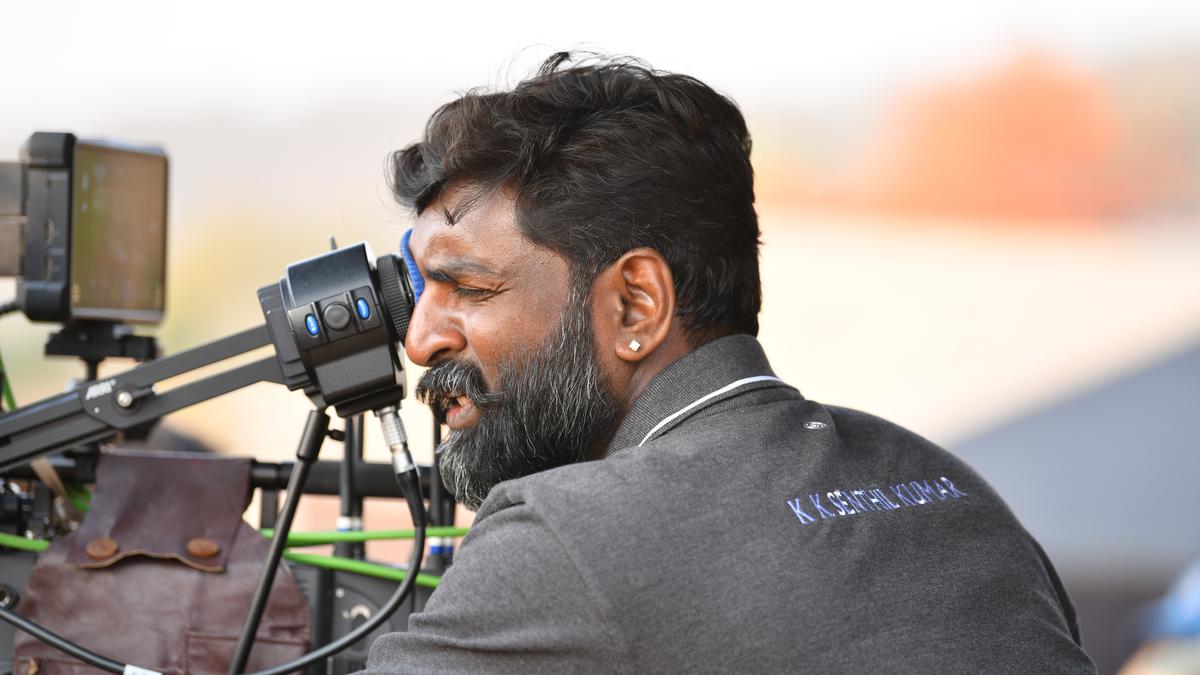
The other man who has as equal knowledge of director and has a potential to put the exact director's view on the silver screen is cinematographer. These guys have good knowledge on light, camera and art department even. Wonders will be created if the exact vision of director and skill of cinematographer meets. Cinematographers are also referred as D.O.Ps sometimes.
4. Writing:
Script writing, lyrics for the songs and dialogue writings comes under the same department. The Scriptwriter/Writer creates blueprints and details of the script based on concepts or ideas.
They develops story elements to translate the creative vision with a deep understanding of the storyline and target audience.
5. Movie Casting:
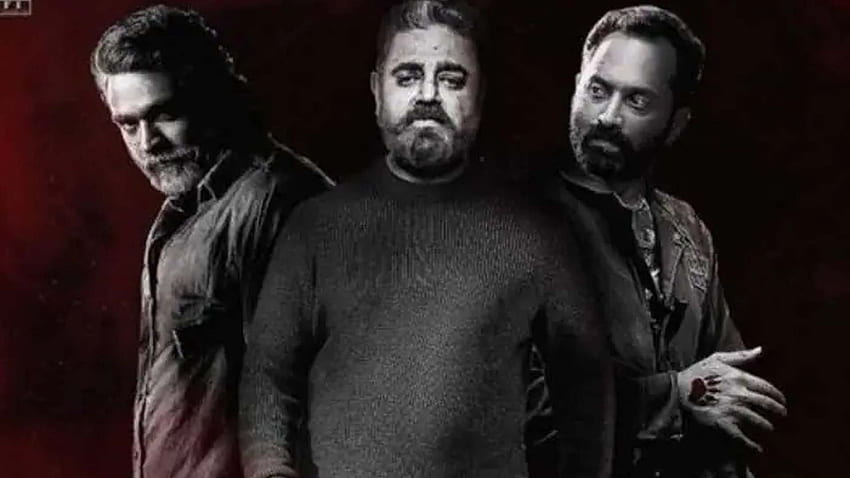
It is much important to select cast with respect to the scene and script. Choosing the right actors is essential to making a good movie. Directors and other members of the film team go through several steps when identifying candidates and screening them before determining the right actor for each role in their movie.6. Music Direction:
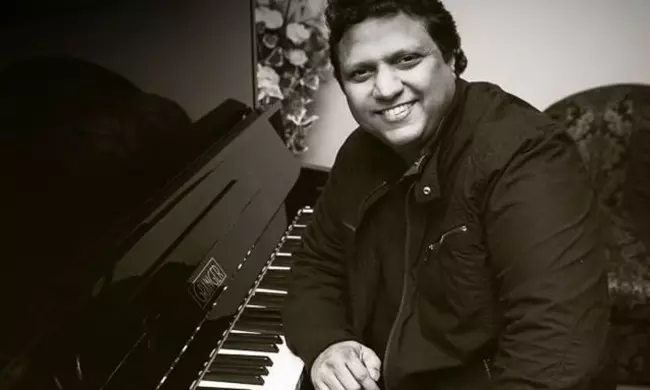
Music plays a vital role in maintaining the emotion behind the scene it might be in form of song or background score. A music director is tasked with selecting appropriate songs and music to heighten the emotional and dramatic impact of film scenes.
7. Editing:
Film editors assemble footage of entire shoot which was shot from different cameras into a seamless end product. They manipulate plot, score, sound, and graphics to refine the overall story into a continuous and enjoyable whole.
8. Art Direction:
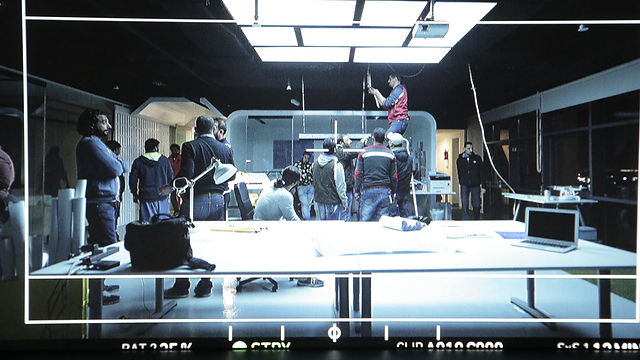
Art directors design sets, oversee artists and construction workers, and help determine the overall look of a film production. During pre-production, the art director acts as a liaison between the production designer and the construction crew.
9. Technical Unit:
Assisting a Director in the control room is the Technical Director who operates the video switcher and other equipment. They are the physical extension of the Director in the control room.
10. Stunt Direction:
Also known as the head of stunts, a stunt coordinator plans and oversees dangerous scenes and highly skilled movements on movie and TV sets. They choreograph complex movements and ensure that everyone on set remains safe. In general, they are responsible for making action scenes look realistic.
11. Sound Engineering:
They are responsible for the sound effects attributed to actions and movements in film, radio and video, using technical equipment to mix, amplify, record or reproduce sound for a production, and ensuring that sound quality is optimal.
12. Cinema Drivers:
Drivers on a movie crew will transport cast or crew, either to and from the set, or between different shooting locations throughout the day. A driver may also be used for other purposes such as running equipment or props if basecamp is far away from the shoot location or if a trip back to the studio proves necessary.
13. Junior Artists:
While actors and actresses form the lead characters around which the film revolves, junior artists and dancers complete the frame with their presence in the background – whether it’s a fight, street or dance sequence. Simple terms they are the background or the atmosphere where the plot is built on.
14. Choreographer:
Responsibilities of a choreographer include: Designing and creating a piece of movement. Choosing the composition to go along with it. Teach, notate the dance steps along with the knowledge and reasons why.
15. Still Photography:
In addition to creating photographs for the promotion of a film, the still photographer contributes daily to the filming process by creating set stills. With these, the photographer is careful to record all details of the cast wardrobe, set appearance, and background.
16. Lightman:
While it is the cinematographer who decides on the colour and lighting scheme of a shot, he needs the lightman to set up the lights for him as required.
17. Digital Publicity:
They are responsible for getting media coverage of the film through having good relationships with journalists and critics. They create press packs, which usually include the film's synopsis, production notes, cast and the electronic press kit (EPK).
18. Costume Designer:
Costume informs the audience about a character, their social position, personality, and contributes to the creation of the world of a play. For many actors, putting on their costume is an important part of getting into character before going on stage. It can affect their posture and how they move.
19. Makeup:
Movie Makeup Artist responsibilities include designing each character's look, applying makeup products on actors' faces and bodies and using prosthetics to create special makeup effects.
20. Dubbing:
A dubbing artist, also called a voice actor, is a professional who uses their voice to portray characters or provide information to an audience. Voice actors only use their voice to act out or read a script.
21. Custodians:
They are responsible to maintain the sets as same as day one till wrapping up from the location.
22. Production Assistants:
On a film set, a set PA is a production assistant. The set PA, also called PA, set assistant or production assistant, is an entry level position. They are responsible for a diverse range of tasks from transporting talent, making coffee, copying script pages, or executing other small tasks needed on set.
23. Special Effects Department:
They are illusions or visual tricks used in the theatre, film, television, video game, amusement park and simulator industries to simulate the imagined events in a story or virtual world.24. Gripping:
This is the process of setting up and operating the equipment that holds the cameras and other equipment in place. It is simply like providing assistance to the cinematographer by capturing the same sequence from different angles.
I wrote this blog because of my intense passion for THE CINEMA. I hope to see this blog writer's name featuring on a movie's title card one day.
"Celebrating Cinema is an art, being an artist is not everyone's cup of tea"
- Vishwaq












Comments
Post a Comment